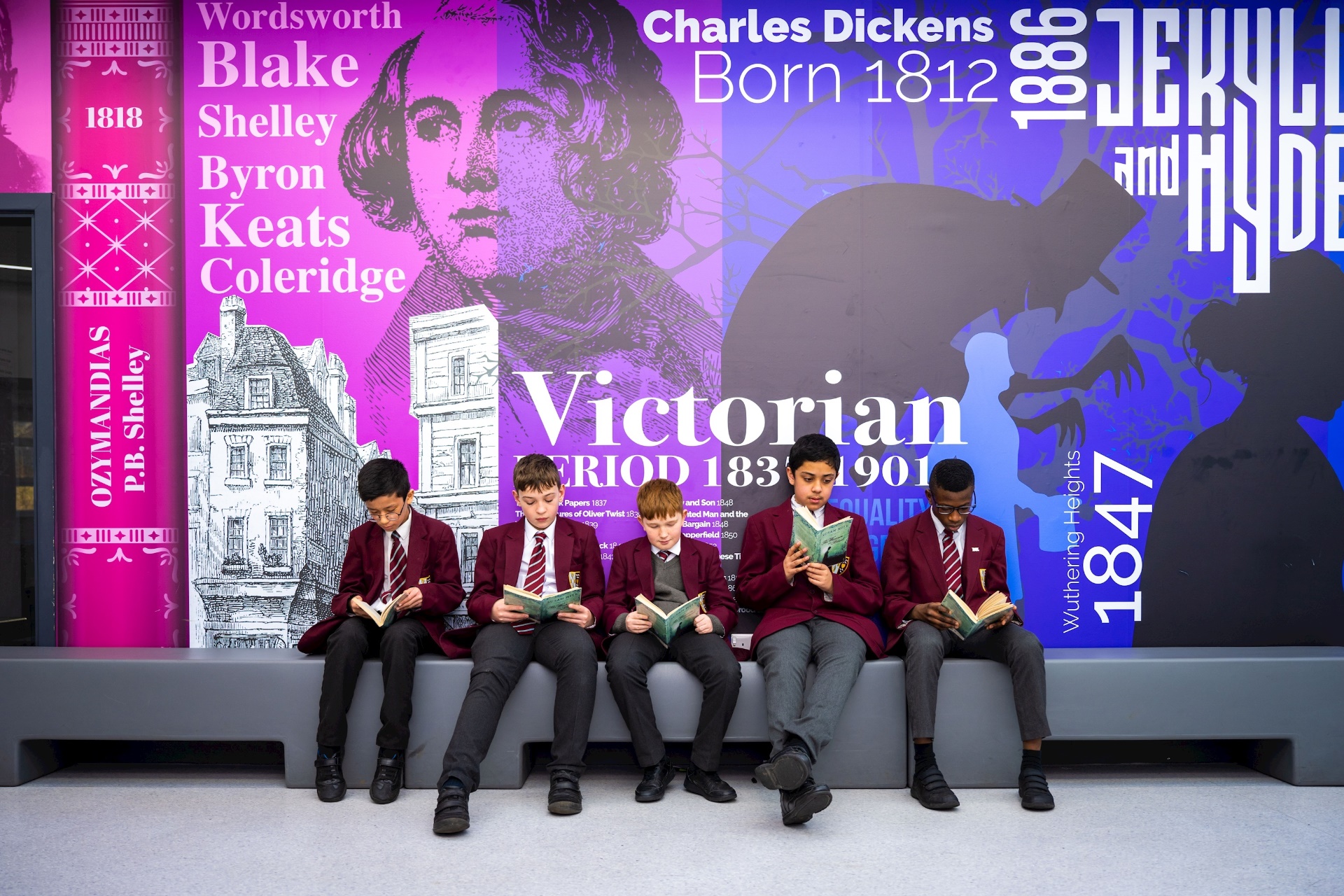




- reinforce and embed school learning
- identify that they do know and what they do not know
- make links with other learning
- practise applying their knowledge and skills under examination conditions in preparation for the final examinations
- gain confidence
Revision is not a process of 'cramming' that is undertaken just before an examination.
Research suggests that when some one has to 'think hard' about something, then they are more likely to remember it. We need to engage the brain more to help us put key information into our long-term memory. As a result, the method of revision that is likely to have the most impact is the 'testing method'. Testing can be referred to as the 'Interrogation Method' or 'Retrieval Practice'.
It's natural to be nervous on examination days, but don't let your nerves take over.
- Start the day with a good breakfast, and give yourself plenty of time to get to the examination hall. Remember to take everything you need, including pencils, pens and a calculator. A bottle of water and some tissues are also useful.
- Once the examination has started, take a few minutes to read the instructions and questions so you know exactly what's expected of you. Ask an examination supervisor if anything is unclear – they are there to help you.
- Plan how much time you will need for each question. Do not panic if you get stuck on a question, but try to leave yourself enough time at the end to come back to it. Even if you're really stumped, an educated guess is better than leaving it blank.
- When the examination is over, do not spend too much time going over it in your head or worrying about it. Resist the temptation to compare your answers with those of your friends.
- If you have more examinations to come, focus on the next one instead.
It sounds obvious, but revision really is the key to examination success. Being well prepared for your examinations is the best way to overcome stress and anxiety, and gives you the best chance of getting the best grades you can. Before you start revising, the amount of work you have to do can seem overwhelming. You may have to study for lots of different subjects at once, and it's easy to feel daunted.
- Make a realistic revision schedule. Work out how much you have to do and the time you have to do it in, then break it down into manageable chunks.
- Aim to do a few hours of revision each day, and mix up your subjects so you don't get bored.
- Find a revision style that suits you. Studying alone in a quiet room suits some people, but not everyone likes working in silence.
- Try playing music quietly in the background, or revising with a friend (but don't let them distract you!).
- Customise your notes to make them more personal. Experiment with colour coding, notes on postcards, diagrams or whatever helps you learn your topic.
- Make sure you understand everything. If you come across something you don't understand, try to find a new source of information that will help you understand it. Just memorising it won't help you in your examination.
- Don't be afraid to ask your teacher or a friend for help if you need it.
- Look at past examination papers. It means you can familiarise yourself with the layout and type of questions you'll be asked.
- Practise completing examination papers in the set time limit to improve your examination technique.
- Get some rest and relaxation
Revision is an important part of examination success, but it's also important that you don't overdo it. Studying for hours and hours will only make you tired and ruin your concentration, which may make you even more anxious.
Stress is a natural feeling that's designed to help us cope in difficult situations. In small amounts, it's good for you because it pushes you to work hard and do your very best. But too much stress can cause headaches and other problems.
Taking regular short breaks while you're working may help. A break every 45 to 60 minutes is about right.
During your breaks, do something relaxing, such as reading a book or going for a short walk. Taking your mind off your work will help you come back to it feeling refreshed. It can also help if you reward yourself after each revision session. For example, you could take a long bath or watch a good DVD.
When you are not revising, use your spare time to get away from your books and do something physical. Exercise is good for taking your mind off stress and keeping you positive, and it will help you sleep better.
If you're still feeling stressed, it's important to talk to someone you trust, such as a family member, teacher or a friend. Many people find examinations difficult to deal with, so don't be embarrassed to ask for support.
Download a useful Revision Booklet. This booklet with give you some helpful tips for revising. It is not subject specific, but will give you some advice that you can apply to all of your subjects.
Internal Examinations
During the academic year pupils and students will take internal examinations.
| Year Group | Start Date (first examination) | End Date (last examination) | Parents' Evening |
|---|---|---|---|
| Year 7 | 2nd February 2026 8th June 2026 | 13th February 2026 19th June 2026 | |
| Year 8 | 17th November 2025 | 21st November 2025 | |
| Year 9 | 17th November 2025 | 21st November 2025 | |
| Year 10 | 12th January 2026 | 16th January 2026 | |
| Year 11 | 3rd November 2025 | 11th November 2025 | |
| Year 12 | 12th January 2026 | 16th January 2026 | |
| Year 13 | 3rd November 2025 | 11th November 2025 |
Pupils/students will be given individual examination timetables as appropriate. These dates may be subject to change. Any changes/updates will be published in the Families Update and changed here.
External Examinations
Public Examination Contingency Days: The examination awarding bodies have designated Wednesday 24th June 2026 as a ‘contingency day’ for public examinations. This is in the event of national or significant local disruption to examinations in the United Kingdom. Pupils and students must be available until this date to sit examinations even though their examinations may finish before this date.
The following public examination policies are set out and required by JCQ.
- Access Arrangements Policy
- Complaints and Appeals Procedures (Examinations)
- Cyber Security Policy
- Data Protection Policy
- Emergency Evacuation Policy
- Escalation Process
- Equalities Policy
- Examination Archiving Policy
- Examination Contingency Plan
- Examinations Policy
- Internal Appeals Procedure
- Lockdown Policy
- Malpractice and Maladministration Policy
- Non-examination Assessment Policy
- Review of Results and Access to Scripts
- Special Consideration Policy
- Whistleblowing Policy
- Word Processor Policy
Post Results:
We understand that receiving examination results can be an exciting and emotional time. If you have any questions about your grades, next steps, or the appeals process, our staff are here to help. Candidates wishing to request a review of results, access scripts, or discuss progression options are encouraged to speak with their Head of Year or contact the Examinations Officer directly. Clear guidance, forms, and deadlines will be provided to ensure you have the support you need. Whatever your outcome, we are here to help you move confidently into the next stage of your journey.
Access to Scripts Appeals and Results Enquiries Fees
GCSE Revision
Subject teachers have produced a number of short videos/voiced-over PowerPoints to support Year 11 pupils in their preparation for the GCSE Examinations.